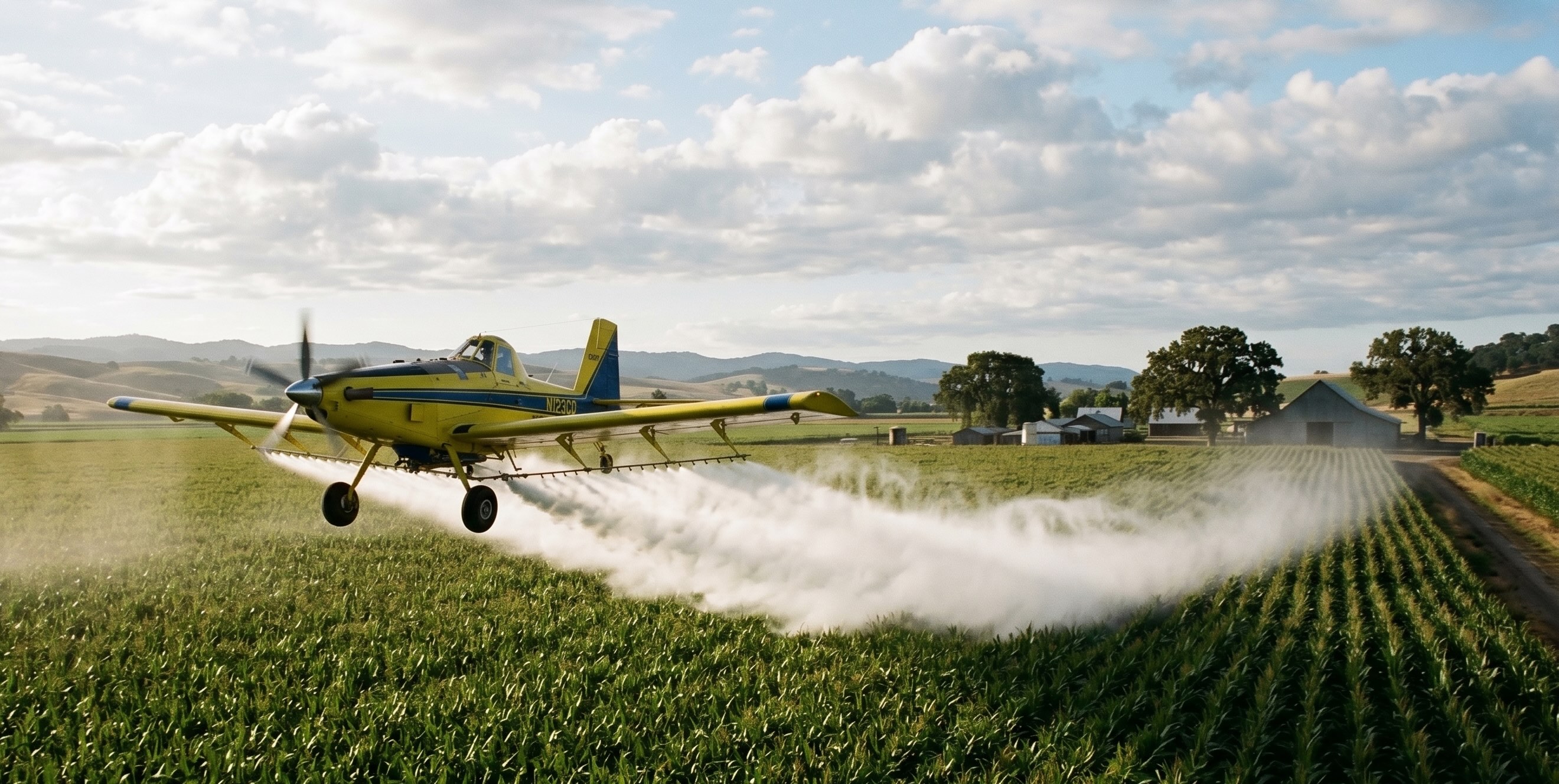
For decades, health agencies have evaluated chemical safety using a "one-by-one" approach. If Chemical A is safe at a certain level and Chemical B is safe at another, the assumption is that your body can handle both simultaneously.
New research suggests this assumption is not only flawed but dangerous.
A landmark study published in Nature Health (April 2026) has revealed that living in environments with complex mixtures of pesticides increases cancer risk by an average of 150%. This is the case even when every single chemical in that mixture is individually classified as "non-carcinogenic."
At Relentless Health, we’ve long advocated for a holistic view of toxin exposure. This new data confirms what we’ve suspected: the "cocktail effect" is a silent driver of the modern cancer crisis.
A Warning for the Modern World
Researchers from the Institut Pasteur and the IRD mapped the exposure of over 158,000 individuals to 31 commonly used agricultural chemicals, including glyphosate and atrazine. Their findings were startling. In hotspots where these chemicals mixed in the soil and water, cancer rates were up to ten times higher than the national average.
The most concerning part? None of the 31 chemicals studied are currently classified as Group 1 carcinogens by the WHO. Individually, they are "safe." Together, they increase the incidence of cancer.
The researchers found that because the liver is the primary organ for metabolizing chemicals, it showed biological changes (transcriptomic signatures) long before any clinical tumors appeared. This suggests that these chemicals have cumulative effects that build up over time and increase the risk of cancer. In the research, the synergistic risk of these chemicals in combination was up to 70x higher than the risk of any single chemical evaluated in isolation.
These findings challenge the public safety and regulatory models used by global health agencies, which typically evaluate chemical safety one at a time rather than accounting for the complex mixtures humans encounter in the real world.
PFAS and Pesticides
This isn't just about pesticides. A March 2026 report from the Iowa Environmental Council highlighted a similar crisis in the U.S. Midwest. In Iowa, which now has the second-highest cancer rate in the nation, researchers found a toxic synergy between PFAS (forever chemicals), pesticides, and nitrates.
We are also seeing this impact in younger populations. A January 2026 study found that teenagers with higher blood levels of PFAS are three times more likely to develop fatty liver disease. When you layer pesticide-laden produce on top of a PFAS-burdened system, you aren't just adding risks, you are multiplying them.
What’s further complicating the matter is that PFAS is often used in the production, transport, and storage of pesticides. Pesticides contain up to about 14% PFAS as active ingredients in the U.S., making it difficult not to get exposed to both.
Taking Control: The 4 Ms of Exposure Management
The reality of the "cocktail effect" can feel overwhelming, but biology is resilient when given the right environment. To protect your health from these toxic chemicals, we recommend our standard 4 Ms framework:
1. Measure
You cannot manage what you do not see. Standard blood panels often miss the environmental markers that matter. We recommend regular testing for:
- PFAS Blood Levels: To understand your baseline "forever chemical" burden.
- Liver Enzymes & Biomarkers: Keep a close eye on markers like Galectin-3 (an inflammatory protein linked to fibrosis) and standard liver function tests (ALT/AST).
2. Mitigate
Reduce the "input" of the cocktail.
- Drinking water filtration: While trace amounts of PFAS and pesticides are often within "legal" limits in tap water, reverse osmosis systems are the gold standard for removing the widest variety of chemical mixtures.
- Eating organic: Prioritize organic for the "Dirty Dozen" and wash all produce thoroughly to reduce the cumulative load.
3. Monitor
If you live in a high-risk area (near industrial sites or intense agriculture), proactive monitoring is essential. The Nature Health study proved that biological changes happen years before a diagnosis. Early detection of liver stress or epigenetic shifts can allow for lifestyle interventions before the damage becomes irreversible.
4. Maintain
Support your body's natural "signal" through:
- Sulforaphane-rich foods: Cruciferous vegetables help improve the liver’s ability to detoxify chemicals.
- High-Fiber Diet: Recent research suggests high fiber can help the body more efficiently eliminate certain PFAS compounds.
What Next?
The "safe" thresholds of the past are no longer sufficient for the complex chemical world of the 2020s. If you’re concerned about toxin exposures in your food, water, and environment, take a look at where you might be exposed and learn more about ways to reduce their impact.
Disclaimer: This article is for educational and informational purposes only. Nothing in this article or on the web site represents medical advice or an offer of medical, diagnostic, or treatment products or services. Anyone concerned about their health should consult a licensed medical professional.